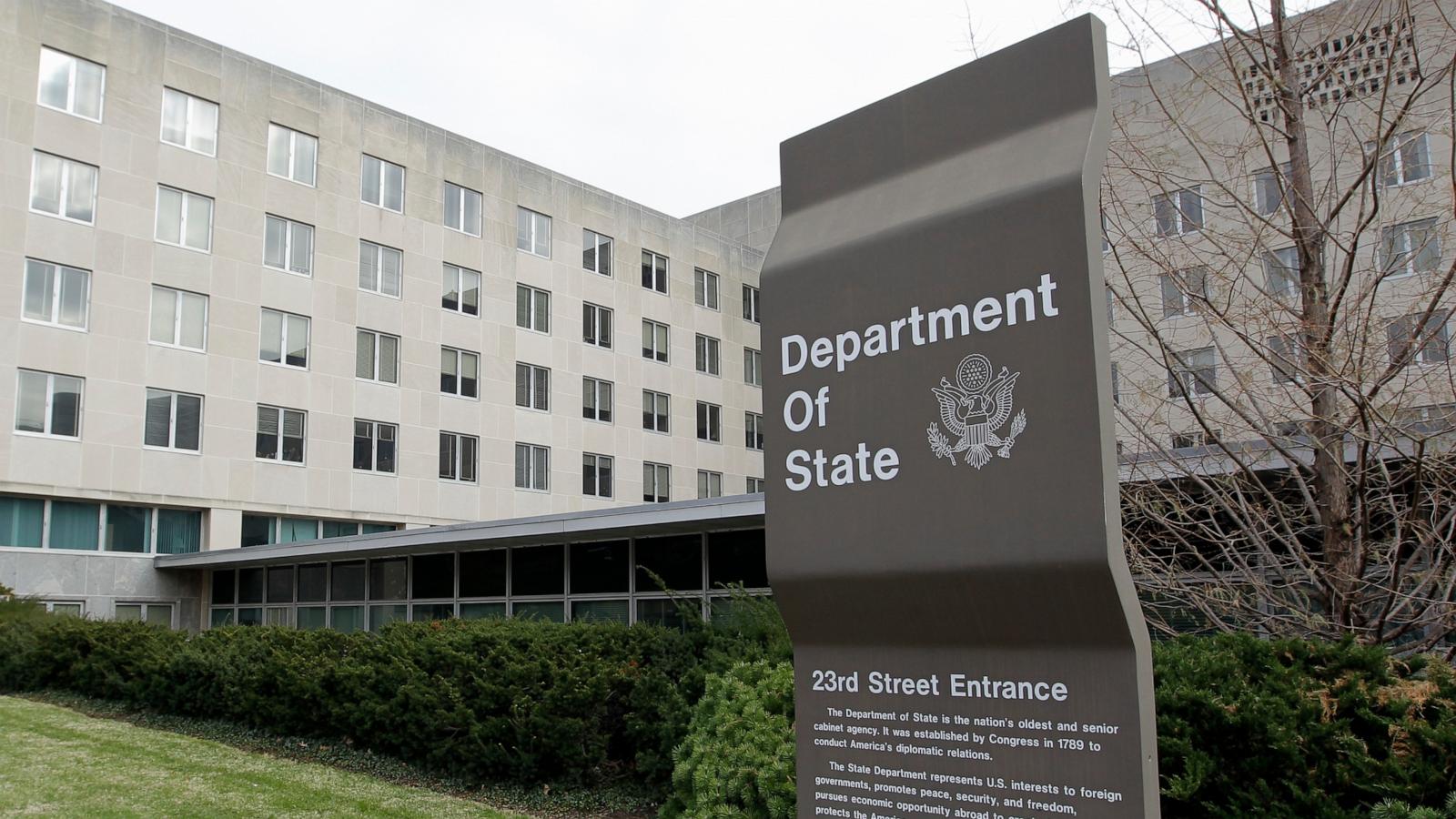
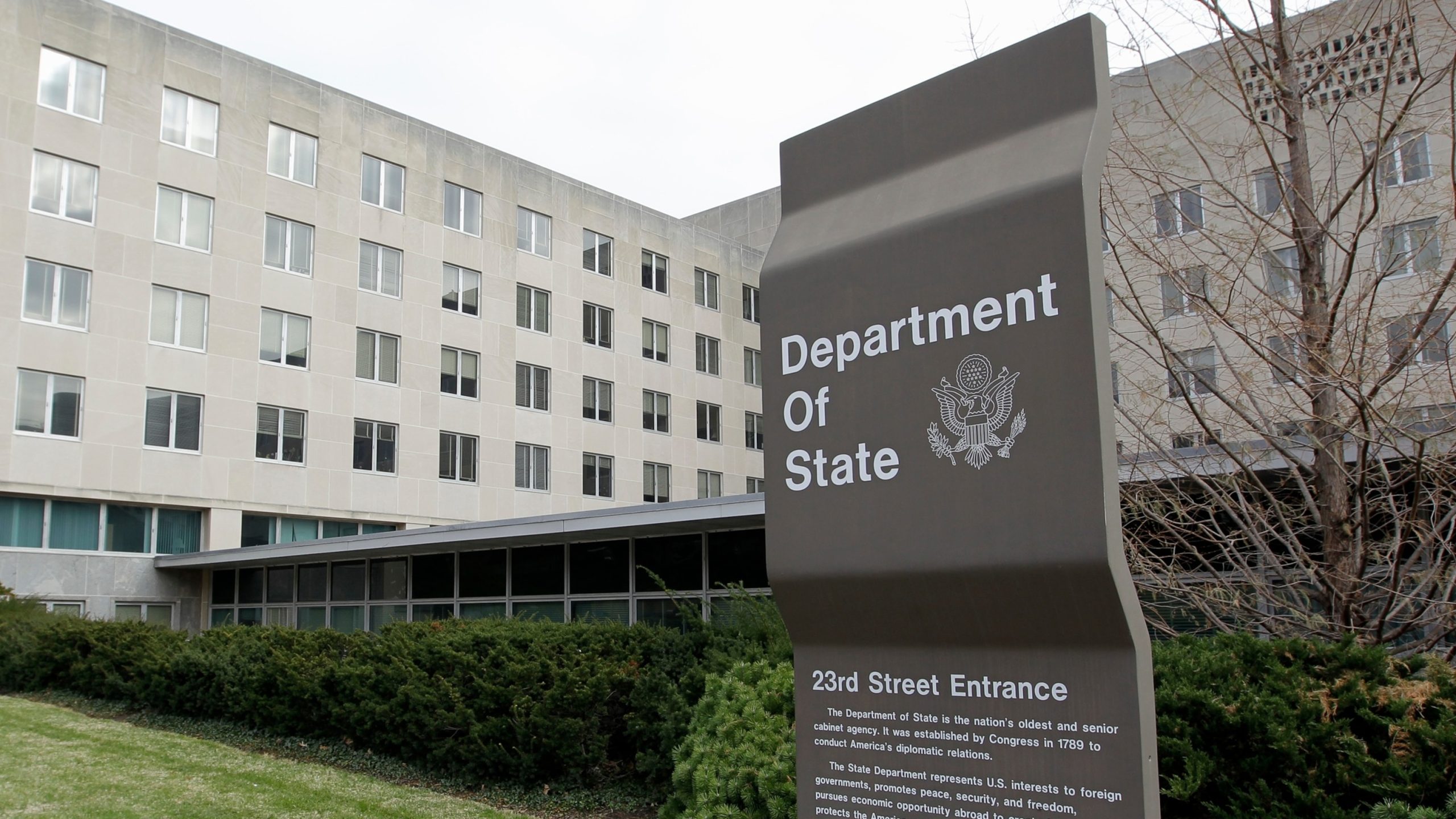
Trump administration officials at the State Department say a recent overhaul of the way the agency evaluates American diplomats will make sure they are accurately appraised.
But as the deadline to submit these reviews approaches, the changes are proving to be polarizing, sparking pushback from the organization representing the diplomats.
The department has long relied on annual assessments of its personnel to make decisions on promotions, pay adjustments, dismissals and more. Under the new system, supervisors conducting these reviews will now be required to rate their employees on a numerical scale and provide concise answers to written questions about their performance through the year.
These revisions, which were rolled out earlier this year, are intended to make the evaluation process more “data driven” — part of a broader reform effort by the Trump administration to make the State Department “more nimble and responsive to global developments,” one department official said.
However, the American Foreign Service Association (AFSA), the professional organization representing the diplomats directly impacted by the change, has raised significant concerns. It argues the new evaluation format “risks making career-defining decisions less fair, less transparent, and more vulnerable to bias.”
In an interview with ABC News, AFSA President John Dinkelman warned unnecessary competition created by rating system where only a finite number of top scores are awarded may diminish the department’s workforce.
“I am concerned about what is the seemingly intentional creation a zero-sum game among members of a professional corps of diplomats, where rather than seeking to collaborate and work as a team, individuals will be further forced into a mindset of careerism at the expense of our professionalism,” he said.
Popular Reads
Dinkelman said the AFSA would continue to pursue all available avenues to contest the changes, but the State Department has set a deadline of May 29 for supervisors to submit their assessments. Promotion review panels are then set to convene over the course of the following two months.
State Department leadership denies that the changes were intended to be punitive, saying instead that they will allow leaders to identify top preforming officers and those who may need additional instruction.
“Having been involved in supervising and evaluating personnel for many years in different contexts, I believe this change will restore accountability and ensure that evaluations reflect actual performance rather than inflated ratings designed to evade difficult conversations,” Deputy Secretary of State Christopher Landau said in a statement to ABC News.
“For too long, our system rewarded consensus and score inflation instead of distinguishing between officers who consistently deliver results and those who do not, which undermined morale and weakened confidence in the promotion process,” he added.
State Department employees who spoke to ABC News for this report were split over the changes. All agreed that the evaluation system that was previously in place could be improved, but their perspectives on whether these reforms would lead to positive changes differed.
Several Foreign Service Officers criticized the length of the previous reviews. One claimed some supervisors regularly instructed their subordinates to “ghost-write” their own evaluations.
However, others expressed concern over the brevity imposed by the new guidelines, predicting it would create issues with differentiating candidates competing for the same promotion.