Jose Contreras Diaz was still in Honduras — deported, waiting, separated from everything he knew — when his wife gave birth to his son, Mateo, in Texas. That was two months ago. This week, Contreras Diaz is finally going home.
Contreras Diaz, 30, is a recipient of the Deferred Action for Childhood Arrivals program. He recently learned that the Trump administration is reversing his deportation and will allow him to return to the Rio Grande Valley of Texas this week, after immigration agents informed him he would be granted parole.
Neither he nor his attorney has received any explanation from ICE or the Department of Homeland Security for why they are allowing his return after rapidly deporting him in January.
“I feel like I woke up,” Contreras Diaz said, sharing his story for the first time with MS NOW. “I woke up from so much stress, from so many hard decisions.”
His case illustrates the growing confusion and human cost of the Trump administration’s aggressive deportation push, which has ensnared immigrants like Contreras Diaz who have valid legal status under DACA and no criminal record.
ICE deported Contreras Diaz to Honduras after arresting him at a routine immigration check-in, moving so quickly that his family couldn’t process what was happening before he was handcuffed and put on a plane. His DACA status — which remains valid into at least June, pending a renewal — did not protect him.
He called the deportation “a stab in the back” while talking to MS NOW via video call from Honduras.
“We’ve tried to do everything as best as we can,” he said. “And like, why?”

The biggest heartbreak: Missing the birth of his son, Mateo, who was born in Texas while Contreras Diaz was still in Honduras.
“It really put that wound in my heart,” said Contreras Diaz. “It hurt and it broke me. But we get up, you know, we get up and we keep fighting.”
Contreras Diaz came to the United States at age 8 and has worked as a pool technician in the Rio Grande Valley. His family received a removal order more than two decades ago when he was a child, which wasn’t enforced until his deportation in January.
His attorney, Stacy Tolchin, sent a letter to ICE arguing that his deportation was unlawful and attaching a recent ruling by a federal judge in California ordering the return of Maria Estrada Juarez, another DACA recipient. The judge called that deportation a “flagrant violation” of the program. Shortly after, immigration agents notified Contreras Diaz that he would be allowed to return — though the precise parameters of his parole remain unclear.
DHS did not respond to any questions about his case or explain why it decided to reverse the deportation.
Instead, an unnamed DHS spokesperson said people “who claim to be recipients of Deferred Action for Childhood Arrivals (DACA) are not automatically protected from deportations.” The DHS spokesperson repeated past statements made by the department, that DACA recipients “may be subject to arrest and deportation for a number of reasons, including if they’ve committed a crime.”
The Trump administration has signaled it has no intention of slowing its deportation efforts. DHS Secretary Markwayne Mullin said on Fox News this month that the administration wants to “deport all those individuals who came in illegally,” drawing no distinction between immigrants with or without criminal records.
Since its creation in 2012, DACA has shielded hundreds of thousands of undocumented immigrants brought to the United States as children from deportation and provided them with work authorization. A majority of Americans have long supported a pathway to citizenship for so-called Dreamers; that support grew to 60 percent in 2025, according to the Public Religion Research Institute.

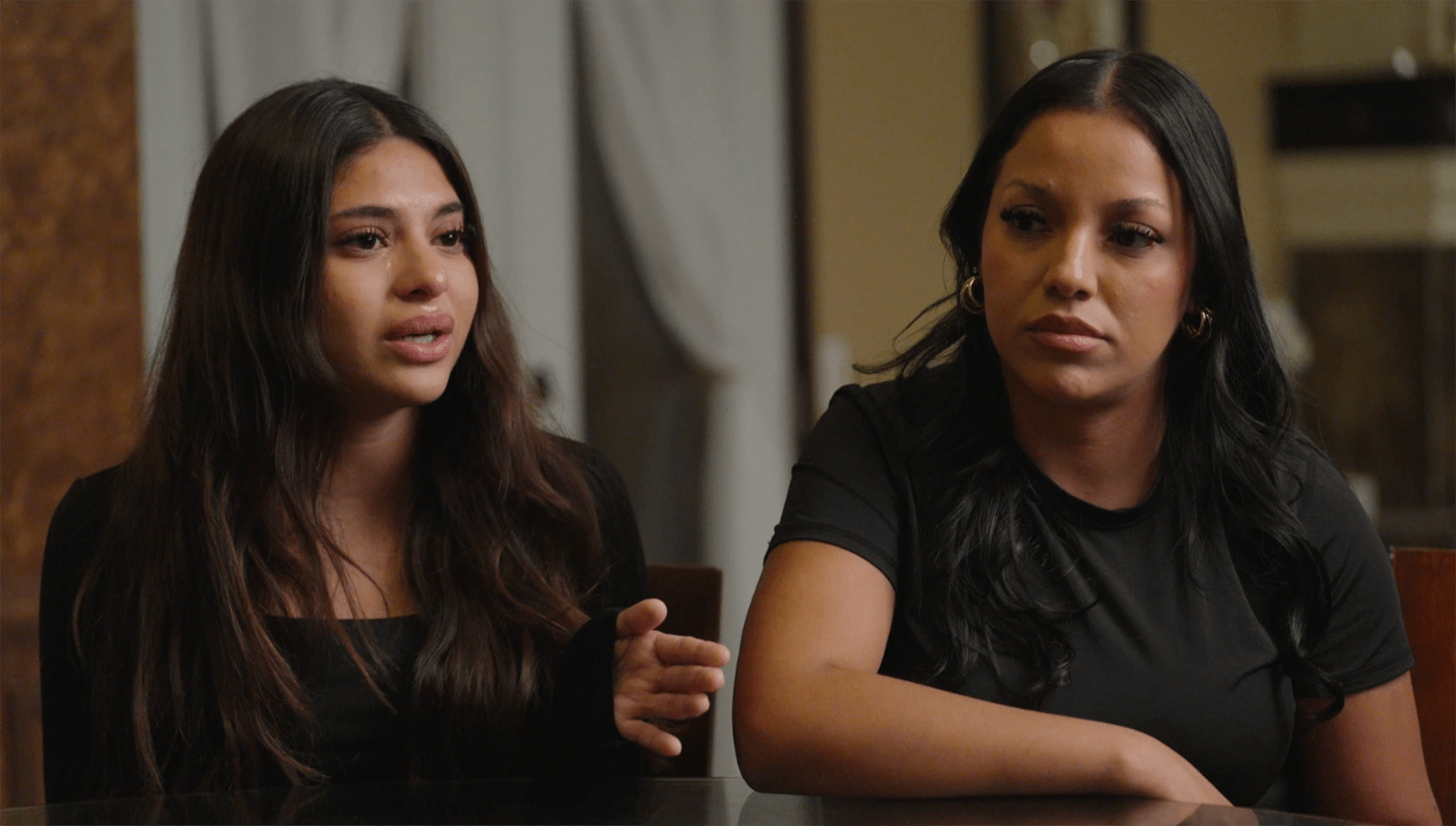
Contreras Diaz is not alone in his vulnerability — even within his family. His sister Cindy, 28, also a DACA recipient, said her brother’s deportation changed something in her. She now worries every time she drives to work that she could be picked up.
“My brother and I are not bad people. We’ve done everything in our power to be here as legally as we can,” said Cindy, who works as a nurse. “I devote my life to helping people, and I just want people to understand that we are not harmful in any sort of way.”
Despite everything, Contreras Diaz says he still wants to become a citizen.
“That would be great. That would honestly be great. It would open up doors,” he said. “You would restore my wings.”
The post Deported Dreamer told he’ll be allowed back into U.S. appeared first on MS NOW.