As with other shady moves by Donald Trump, the sheer brazenness of the president’s $1.776 billion “slush fund” raises questions about whether it’s legal and, if not, what anyone can do about it.
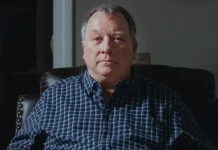
A proposed answer came Wednesday from a new lawsuit filed by Harry Dunn and Daniel Hodges, who defended the Capitol on Jan. 6, 2021, from the very people who stand to profit from what the Trump administration calls the “Anti-Weaponization Fund.”
Dunn, a former U.S. Capitol Police officer, and Hodges, an active officer with Washington’s Metropolitan Police Department, raise several claims arguing why the fund is illegal.
“No statute authorizes its creation, the settlement on which it is premised is a corrupt sham, and its design violates the Constitution and federal law,” their lawyers with the Public Integrity Project wrote in the civil complaint, which was filed in Washington. The named defendants are Trump, acting Attorney General Todd Blanche and Treasury Secretary Scott Bessent.
The plaintiffs raise several specific claims, including that the Justice Department ran afoul of the Constitution in creating the fund, namely the 14th Amendment, which says in part that “neither the United States nor any State shall assume or pay any debt or obligation incurred in aid of insurrection or rebellion against the United States.”
Against that backdrop, Dunn and Hodges allege the DOJ has authorized the fund “to make payment of monies from the United States Treasury to the January 6 rioters.” Those rioters, they argue, fall under the 14th Amendment because they engaged in “insurrection … against the United States” by attacking the Capitol to try to block the certification of Joe Biden’s 2020 election victory over Trump. Therefore, the plaintiffs argue that they are “entitled to a court order holding unlawful and setting aside DOJ’s unconstitutional assumption of insurrectionist debts and obligations.”
When bringing a lawsuit, plaintiffs need to show not only a legal violation, but also that they have legal standing to bring their suit — that is, that they’re harmed to a degree that gives them a stake in the outcome. People can’t randomly sue over things they think are illegal.
Dunn and Hodges seek to address that in their complaint, writing in part that the fund’s “mere existence sends a clear and chilling message: those who enact violence in President Trump’s name will not just avoid punishment, they will be rewarded with riches. That message, by itself, substantially increases the already sizeable risk of vigilante violence Dunn and Hodges face on a near-daily basis. And it encourages those who are harassing Dunn and Hodges, and sending them death threats, to up the ante.”
The government will have a chance to respond in court, where it can contest both the substance of the plaintiffs’ claims as well as the notion that they have standing to bring them. If a court finds that a plaintiff doesn’t have standing, the case can be dismissed on that basis without addressing its merits, making that one of the key grounds on which the forthcoming litigation could be fought.
Subscribe to the Deadline: Legal Newsletter for expert analysis on the top legal stories of the week, including updates from the Supreme Court and developments in the Trump administration’s legal cases.
The post Lawsuit puts Jan. 6 insurrection at the heart of the case against Trump’s ‘slush fund’ appeared first on MS NOW.