A decision by a three-judge federal appeals court panel means that journalists will not be able to walk through the Pentagon without an escort for now.
The panel ruled 2-to-1 on Monday in favor of the Department of Defense’s request for a stay of part of a judge’s order striking down its new access policy for reporters. That portion of the decision will be stayed pending the appeal.
This comes after U.S. District Judge Paul Friedman ruled in favor of The New York Times in March, which brought a lawsuit challenging the policy.
Those Defense Department rules, implemented in September 2025, required reporters to sign a document advising them that their access to the Pentagon might be revoked if they are “reasonably determined to pose a security or safety risk,” based on such things as “unauthorized access, attempted unauthorized access, or unauthorized disclosure of” information that might be “sensitive,” even if it’s unclassified.
In staying the key part of Friedman’s injunction on Monday, the Washington, D.C.-based appeals court pointed to the Pentagon’s argument that it found a correlation between reporters’ unescorted building access and alleged leaks of “sensitive or classified information.”
“The Department has thus supported its claim that this aspect of its policy furthers important national security interests,” the panel said in its unsigned order.
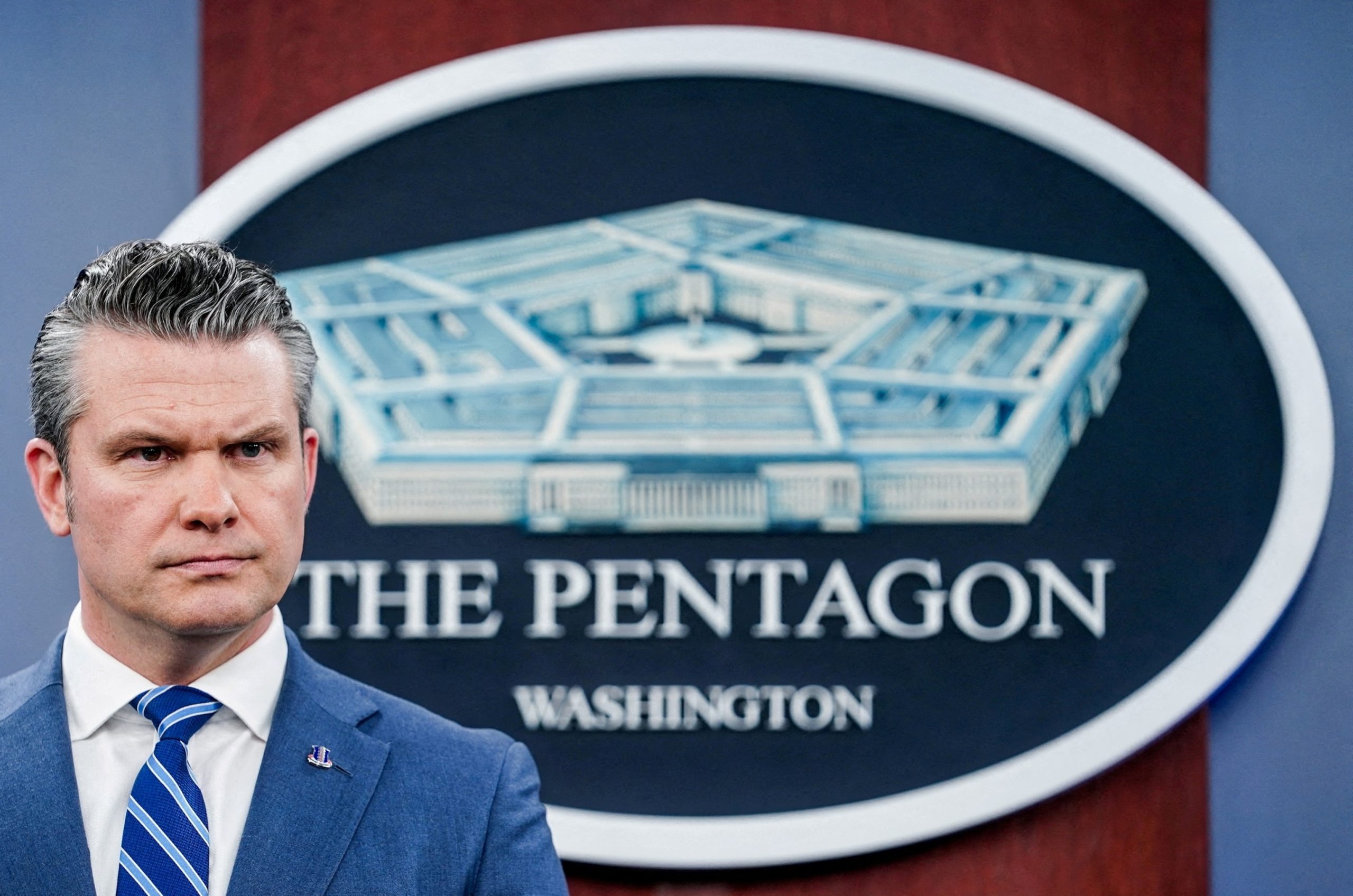
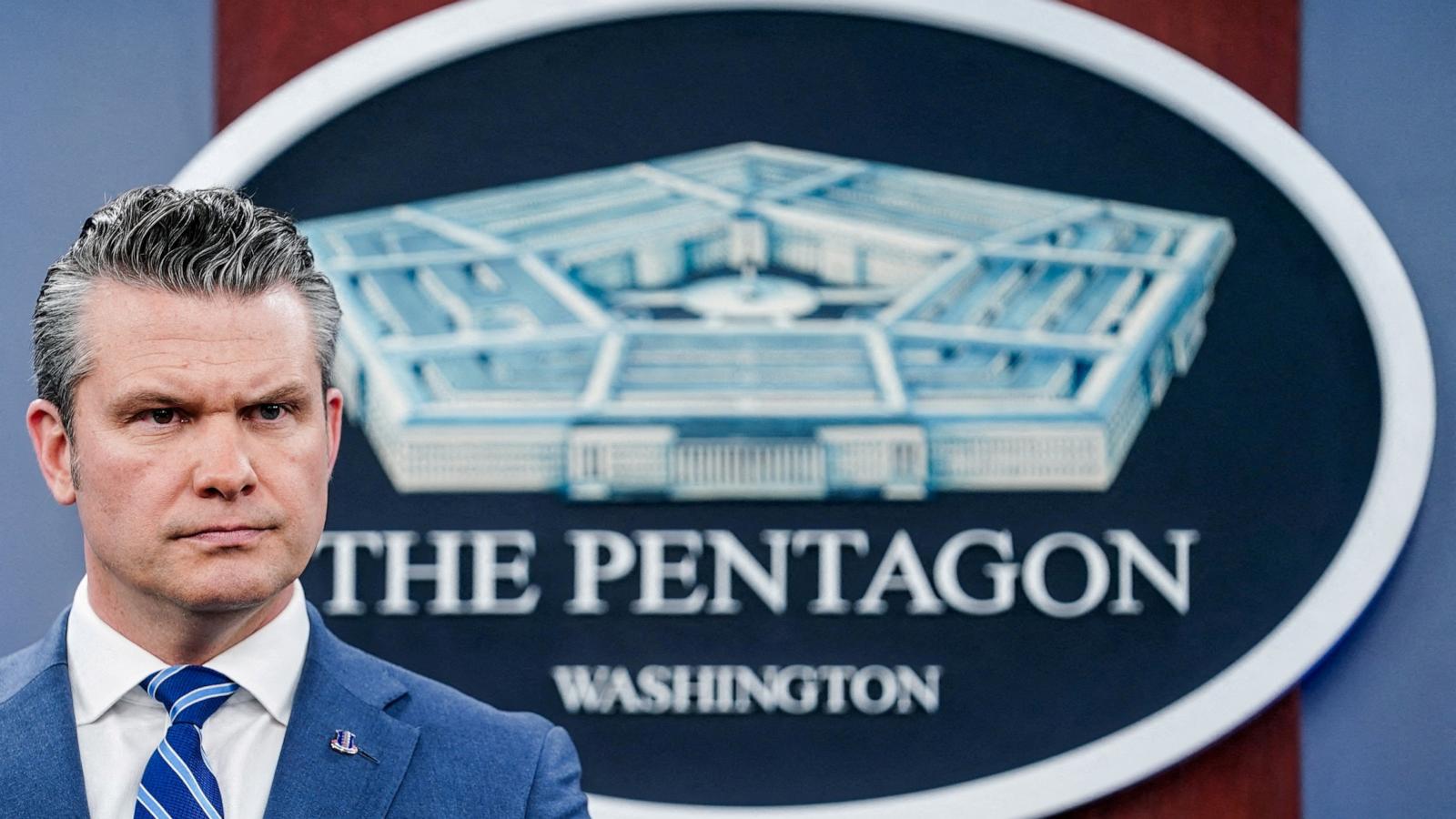
Secretary of Defense Pete Hegseth looks on during a briefing on the Iran war, at the Pentagon in Washington, April 16, 2026.
Nathan Howard/Reuters
But the judges also noted how requiring reporters to agree to certain access conditions, potentially limiting the questions they ask — and of whom — and the subjects they cover, could impact newsgathering.
Popular Reads
“That burden extends beyond the press itself, implicating the public’s interest in the free flow of information about government operations,” the judges said.
In setting aside the escorted-related portion of Friedman’s injunction, the panel found the Pentagon’s decision to require escorts was a legitimate response to the judge’s initial decision striking its access policy writ large. That, the judges said, should be read as a “new, generally applicable requirement” and does not constitute a failure to abide by Friedman’s earlier decision.
Pentagon spokesman Sean Parnell responded favorably to the appeals court’s move, particularly its crediting of the department’s arguments on leaks, posting on X that “journalists continue to hold valid press credentials and retain access to Pentagon briefings, press conferences, and interviews.”
“Despite what many in the media have told you, the Department’s policy has never been about limiting journalism – it is about safeguarding classified information that protects American lives,” Parnell wrote.
Trump-appointed judge Justin Walker and Biden appointee Brad Garcia sided with the Defense Department. But Biden-appointed judge Michelle Childs dissented, arguing that the Pentagon did in fact seek to circumvent Friedman’s injunction with its revised policy.
“Once a court has spoken, the party bound by its order may not evade it through creative policymaking,” Childs wrote in her dissent.