The walls are closing in on millions of Americans who utilize federal healthcare benefits such as Medicare and Medicaid, as the sweeping changes and cuts promised in President Donald Trump’s “big, beautiful bill” inch closer to reality, and lawmakers do little to soften the incoming blow.
All eyes were on Health and Human Services Secretary Robert F. Kennedy Jr. last week as he wrapped up a marathon seven congressional committee hearings, in review of several proposed federal health nominees and his handling of HHS. Senators spent the week grilling Kennedy over Trump’s 2027 budget proposal, which would cut $15.8 billion from HHS and put new restrictions on those seeking Medicaid coverage — on top of the impacts of Trump’s bill, which leaves millions at risk of losing insurance coverage.
But the Kennedy hearings didn’t offer much in the way of positive news for federal aid recipients anxious about the future. Instead, Kennedy spent the week defending Trump’s budget proposal and balking — or making misleading claims — about cuts to Medicaid, which is poised to lose $1 trillion in federal spending by 2034 under Trump’s current terms.
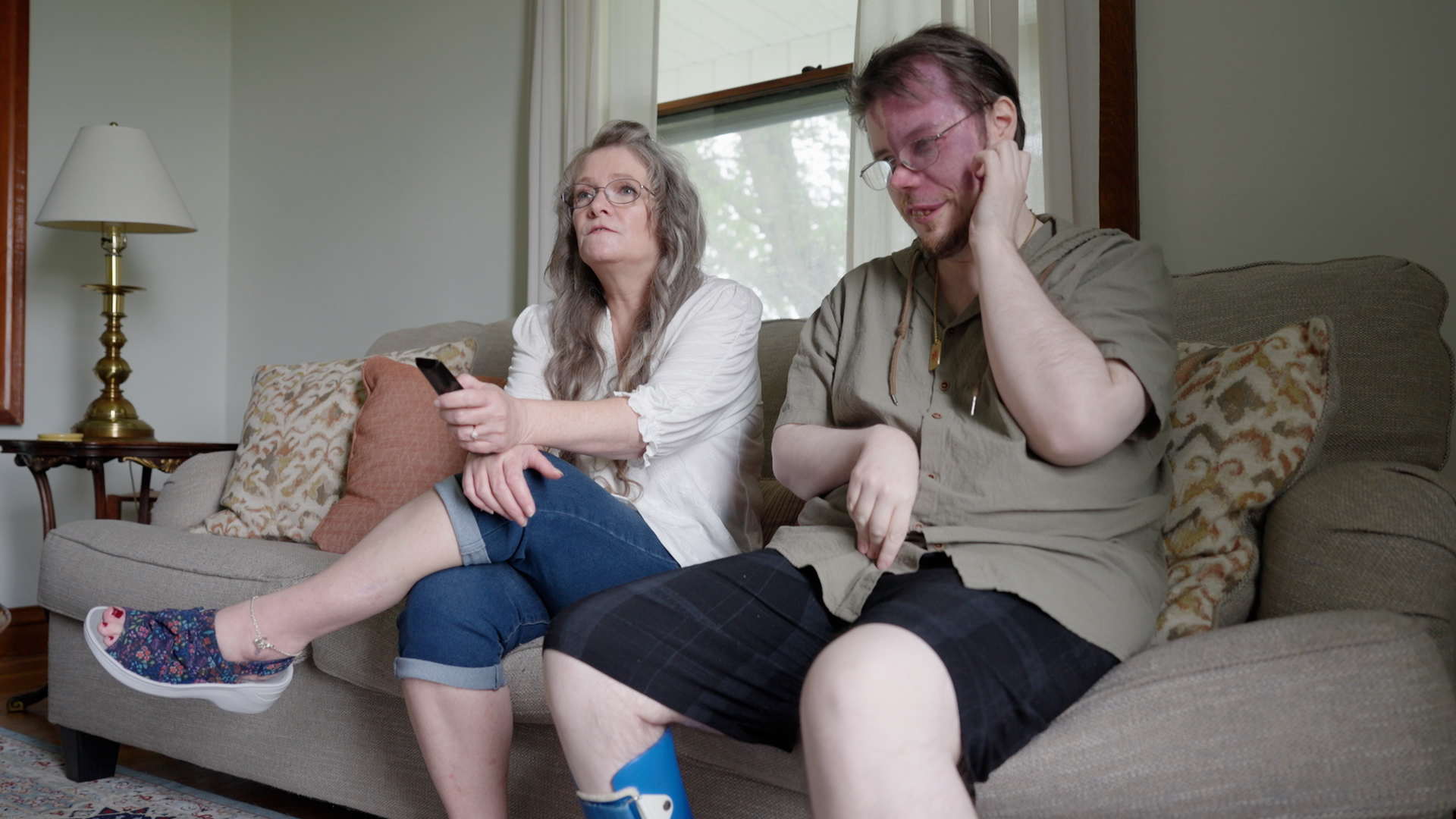
“In all honesty, until Trump is gone, RFK is out, along with others who shouldn’t be anywhere near anything to do with Healthcare, we are screwed,” said Edwina Billhimer, a Medicaid recipient and registered Republican who lives in southern Indiana.

Billhimer suffers from Ehlers-Danlos Syndrome, a genetic connective tissue disorder that causes joint issues, chronic pain and severe fatigue. Billhimer cannot physically work and takes medicine around the clock to manage her symptoms. She’s the primary caregiver to her 39-year-old son Dennis, who had half of his brain removed following seizures. Her daughter Michaela was also diagnosed with EDS.
“I feel hopeless. I am waiting for people like myself and my son, along with the elderly, people with cancer and other diseases to be put in camps or hospitals till we die,” she said.
Shifting goal posts
Cuts to government healthcare programs have already had significant impacts on Americans since Trump signed the One Big Beautiful Bill Act into law last July.
In December, Affordable Care Act tax credits expired, causing health premiums to skyrocket for many of the benefit’s 22 million recipients — millions of whom are set to drop their health insurance. Americans without company sponsored healthcare, such as entrepreneurs, small farmers and freelancers, saw immediate increases in their costs.
This year, states across the country have reported hundreds of millions in added costs and lost tax revenue, and hundreds of rural hospitals are on the brink of closure. In January, the House responded by passing a bill to extend the ACA tax credits, but talks have since stagnated in the Senate.
Trump’s bill features one major change for individuals on Medicaid: a new, strict work requirement for eligibility that could block millions from enrolling in the program.
“They must be working at least 80 hours a month, attending school or participating in other specified activities like volunteering in order to receive Medicaid coverage, unless they qualify for an exemption,” said Jennifer Haley, a principal research associate at the Urban Institute’s Health Policy Division. Her team’s recent analysis painted a grim picture for those seeking Medicaid going forward.
Trump’s bill, Hayley said, “would lead to a decline in Medicaid expansion enrollment of about five to 10 million people in 2028.”
Despite ongoing White House claims that people have exploited these programs by avoiding employment, Haley said the majority of those enrolled in Medicaid already work.
But with an average unemployment rate bouncing between 4.3% and 4.45%, getting a job has been challenging for many Americans.
“I think 14 months of looking, I’ve probably put in somewhere around close to 2000 applications, and I’ve had a couple dozen interviews and nothing,” said Medicaid recipient Justin Cornell, 43, of Denver.

Cornell, who is currently unhoused, said he has been kicked off Medicaid about four times in the last seven years. Even with an advanced education, he said he mostly has relied on temporary gigs and food deliveries for income.
Cornell said his own health challenges got him where he is. In 2016, he was diagnosed with type two diabetes, and spent his 401(k) “on healthcare expenses.”
“I had someone help me get on Medicaid at that point, and it saved my life, because I was in the hospital for two nights in the ICU,” he said. The bill, he added, “was something close to $300,000, which obviously I wouldn’t have had. And unfortunately, I have been kind of in and out of housing and on and off Medicaid and SNAP since then.”
Cornell said he thinks many people have misconceptions about the Americans using healthcare programs such as Medicaid.
“If you were to walk into just about any shelter in any city at this point, you would discover that most of those people are working,” he said. “They’re usually working more than one job, and they’re just not making it. It’s not someone who is lazy, because you can’t get on these programs and not put any effort into it.”
“You need to call every week, you need to go down every week, you need to meet with someone, because that’s how you’re going to get on the program, not just applying to them,” Cornell added.
“We are looked down at”
Now it’s a waiting game as millions of Americans like Cornell and Billhimer brace for further healthcare cuts. The national anxiety over cost and cuts is clear in current polling data.
In a recently released Gallup survey of 20,000 Americans, roughly a third of respondents reported making “at least one trade-off with daily living expenses to afford healthcare.”
Just under half of U.S. adults said they struggle to afford healthcare costs, according to a study by the independent research institute KFF. About 3 in 10 said they or an immediate family member had problems paying for healthcare in the past 12 months.
For Billhimer, living life in fear of what could happen to her family’s coverage has been gruesome.

“Ever since the Big, Beautiful Bill passed, I have worried,” she said. “Right now, because of Medicaid, my medications and my son’s medications are covered. … If we were to lose the Medicaid coverage, it would be medications, or eating. And just the thought of that absolutely terrifies me.”
During a private Easter luncheon at the White House earlier this month, Trump suggested the federal government could not — and would not — fund federal aid programs such as Medicaid.
“It’s not possible for us to take care of day care, Medicaid, Medicare, all these individual things,” he said.
“They can do it on a state basis. You can’t do it on a federal. We have to take care of one thing: military protection. We have to guard the country,” he continued.
The White House posted, and then deleted, the statement to social media.
Billhimer said Trump’s comments were devastating — and telling.
“People like us are not looked at. We are looked down at, because we’re less than,” Billhimer said. Of Trump’s comments, she said, “I’m embarrassed, because this isn’t the United States I grew up in at all.”
The post ‘We are less-than’: Americans fear more cuts to healthcare programs after RFK Jr. hearings appeared first on MS NOW.