This is the April 21, 2026, edition of “The Tea, Spilled by Morning Joe” newsletter. Subscribe here to get it delivered straight to your inbox Monday through Friday.
QUOTE OF THE DAY
“I would have won Vietnam very quickly, if I were president.”
— President Donald Trump
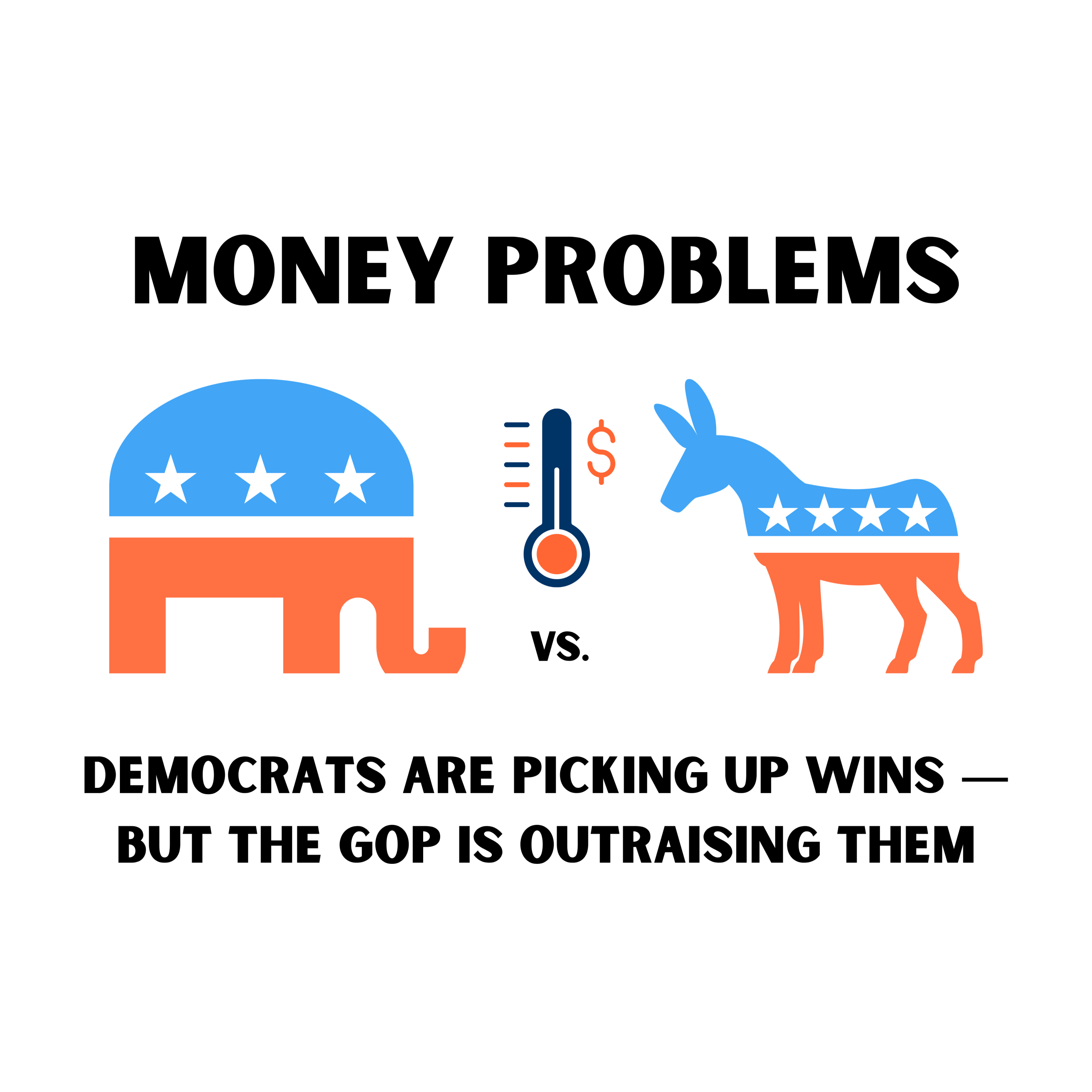
CHART OF THE DAY


ON THIS DATE

TEN YEARS WITHOUT PURPLE RAIN
On the morning of April 21, 2016, the world went quiet in a way it rarely does.
Prince Rogers Nelson — born in Minneapolis, raised on music, and destined to transcend every category the world tried to put him in — was found dead at his Paisley Park home at 57 years old. He left behind a legacy of stardom, supreme rhythm, and iconic style. Known for his prolific lyrics and tenacious talent, Prince wrote, produced, and performed every song — and played every instrument — on his first five albums. In the summer of 1984, with “Purple Rain,” he became the first artist in history to hold the top film, the top album, and the top single in the country. All at the same time.
Other artists may come close, but none will eclipse his place in the hearts of those who loved him.
I never meant to cause you any sorrow. I never meant to cause you any pain.
We know, Prince. We know.
A CONVERSATION WITH RETIRED ADM. WILLIAM MCRAVEN
A two-week U.S.-Iran ceasefire is set to expire tomorrow, prospects for further talks are uncertain, and shipping through the Strait of Hormuz remains severely disrupted. Retired four-star admiral William H. McRaven joined “Morning Joe” — as his new book, “Duty, Honor, Country and Life: A Tribute to the American Spirit,” is released today — to discuss the current state of the conflict with Iran and what comes next.
MB: Are we in a better strategic position now than we were before this began?
WM: Every president since 1979 has been tempted by regime change in Iran. But the key question is always: Are you going to be better off after you take action? Right now, that’s unclear. The Strait of Hormuz is no longer reliably open, the regime may be even more hard-line, and Iranians still have 940 pounds of highly enriched uranium.
WG: Were these risks — like Iran using the Strait of Hormuz as leverage — foreseeable?
WM: You never talk about Iran without talking about the Strait of Hormuz. I understand the allure of trying to change the dynamics in Iran, but none of this should have come as a surprise. History has shown this is very challenging.
JL: If talks break down, how hard would it be to reopen the strait?
WM: Opening the strait will be challenging and risky. Iran still has drones and missiles, and clearing mines would put U.S. ships in a very difficult position. The best outcome now is some kind of agreement — open the strait, ease sanctions, and limit Iran’s ability to move toward a nuclear weapon.
MB: Is the president getting the right advice he needs to make decisions like this?
WM: Traditionally, you would have a full interagency process with State, Defense, and regional experts weighing in. My understanding is that that circle is much tighter now — and I’m not sure the president is getting the depth of expertise these decisions require.
WG: At this point, what does success even look like?
WM: A good outcome would be the Iranians opening the strait and finding some way to reduce their capability of enriching what is already highly enriched uranium. Frankly, I think the strikes back in July for Midnight Hammer were appropriate. But now, I think the best we can hope for is to open the strait and some guarantees that Iran won’t move toward a nuclear weapon.
WG: Why did you write this book now?
WM: The book reflects my thoughts on democracy at 250 years — where we are now and what we need to do to keep moving in the right direction. I hope people will be inspired and uplifted, but there are also some cautionary notes about what we need to do to continue pushing America in the right direction.
MB: How important is that message right now?
WM: In a democracy, the responsibility is on us. We can vote people in or out. Be courageous, be humble, show integrity and compassion, and speak up when needed — that’s what sustains our democracy.
WG: People keep asking, are we going to be OK?
WM: Yes. I spend time with young people around the country and world, and they still believe in liberty, justice, and equality. As tough as things may seem, we’re going to be OK — we just have work to do.
JL: Give us one more reason for optimism.
WM: We’ve always been the good guys — we rebuilt Europe, we show up in crises. My concern is we’re drifting from that identity, but it’s still in our DNA. We just need to bring it back to the forefront.
This conversation has been condensed and edited for clarity and flow.
EXTRA HOT TEA

$4 trillion
— The valuation of Apple Inc., as Tim Cook announced yesterday he is stepping down after 15 years as CEO. Under his watch, Apple’s profit quadrupled, its value grew tenfold, and more than 1 billion iPhones found their way into pockets worldwide.
ONE MORE SHOT

EGOT winner John Legend on the set of “Morning Joe” to talk about “The Well-Educated Child: How the Principles and Practices of Quality Thinking, Agency, and Ethical Purpose Cultivate Deeper Learning,” for which he wrote the foreword.
CATCH UP ON MORNING JOE


The post The Tea, Spilled by Morning Joe: ‘I would have won Vietnam very quickly, if I were president’ appeared first on MS NOW.